Most business owners come to branding with a simple request: “We need a logo”. But a logo is only the part you see. Good branding defines how the business looks, speaks and feels wherever the customer meets it: on the website, on Instagram, on the packaging and in the quote. In this article we'll go over what a branding process really includes, what affects the price, and how to choose a studio without regrets.
What branding for a business is
Branding is the way people perceive your business. It's built from two parts: what you say (the message, the values, the tone), and how it looks (logo, colors, typography, photography). When the two parts match, the customer recognizes you at a glance, understands what you do and trusts you faster.
What a full branding process includes
- Discovery: A conversation about the business, the audience, the competitors and what sets you apart.
- Concept: One idea everything grows from. For example, in the YA Solutions branding the idea was a plug and cable, and the cable became the line that connects the whole brand.
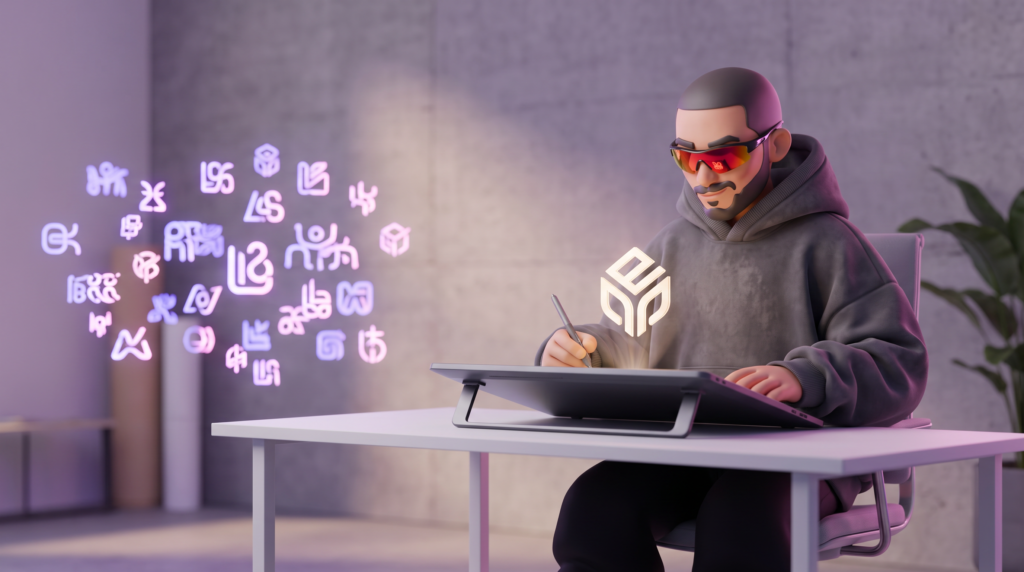
- Logo: Sketches, directions and finally one mark, with versions for different uses.
- Visual language: A color palette, typefaces, graphic elements and a photography style.
- Brand book: A document that explains to anyone working with the brand how to use it: spacing, clear space and forbidden uses.
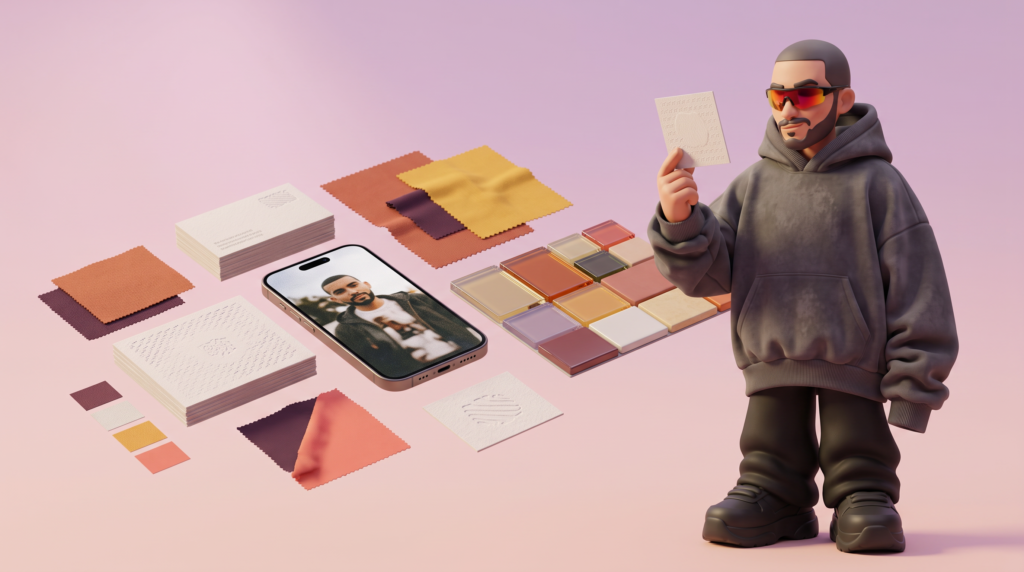
- Application: Business card, stationery, social templates, packaging, signage and website.
What affects the price
There's no “list price” for branding, because every business needs a different amount of work. These are the things that move the price the most:
- Scope: Just a logo, a logo and visual language, or full branding with applications.
- Number of directions and revision rounds: How many concepts are presented at the start, and how many rounds are included.
- Number of applications: Every additional item, packaging, sign or presentation, is extra work.
- Content: Writing messages and a slogan, or working with texts you bring.
- Timeline: An urgent project needs space cleared for it.
A good quote details exactly what you get, how many revision rounds are included, and which files you receive at the end.
7 questions to ask before choosing a studio
- Who will actually work on my brand, and is it the same person sitting with me in the meeting?
- Can I see similar projects, with the process and not just the result?
- How many directions will I get, and how many revision rounds?
- Which files will I get at the end, and are they entirely mine?
- Is there a brand book that explains how to use the brand?
- Can the studio build the website too, so everything speaks the same language?
- What's the timeline, and what happens if changes are needed midway?
Common mistakes
- Choosing a logo by personal taste: The question isn't what you like, but what your audience needs to see.
- Designing only for a desktop screen: Most customers see the logo small, on a phone and in a profile picture.
- Stopping at the logo: Without a visual language, every post and every page will look different, and the brand won't be built.
The bottom line
Good branding saves money, because every new piece is built faster and looks right and consistent the first time. Want to see what it looks like in practice? Take a look at theportfolio or at theYA Solutions project, and if it suits you, write to me and we'll talk about your brand.